


▎Heart to Heart: Understanding Emotional Connections
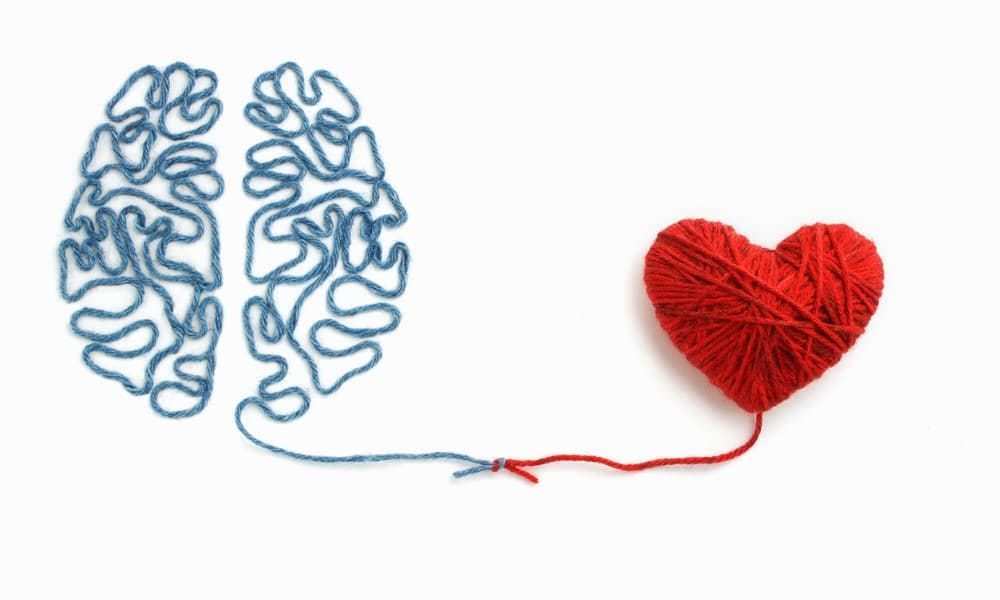
Emotional connections are the invisible threads that bind individuals together, forming the foundation of our relationships, friendships, and community ties. These connections go beyond mere social interactions; they involve deep feelings of understanding, empathy, and mutual support. This essay explores the nature of emotional connections, their significance in our lives, the factors that foster them, and the challenges that can arise in nurturing these bonds.
▎The Nature of Emotional Connections
At its core, an emotional connection is characterized by a profound sense of closeness and understanding between individuals. It involves sharing thoughts, feelings, and experiences in a way that fosters intimacy and trust. Emotional connections can occur in various contexts—romantic relationships, friendships, family dynamics, and even professional settings. They are often marked by:
1. Empathy: The ability to understand and share the feelings of another person is fundamental to emotional connections. Empathy allows individuals to resonate with each other's experiences, creating a sense of belonging and validation.
2. Vulnerability: Opening up and sharing one's true self is essential for forming deep emotional bonds. Vulnerability involves exposing one’s fears, dreams, and insecurities, which can lead to greater intimacy and trust.
3. Mutual Support: Emotional connections thrive on reciprocity. When individuals feel supported and valued by others, they are more likely to invest in the relationship, creating a cycle of care and encouragement.
4. Shared Experiences: Common experiences, whether positive or negative, serve as a catalyst for emotional connection. These shared moments foster a sense of unity and understanding that strengthens the bond between individuals.
▎The Significance of Emotional Connections
Emotional connections play a crucial role in our overall well-being. They contribute to our mental health, happiness, and resilience in facing life's challenges. Some key benefits of emotional connections include:
1. Improved Mental Health: Strong emotional bonds can act as a buffer against stress, anxiety, and depression. Having someone to confide in or share experiences with can alleviate feelings of isolation and loneliness.
2. Enhanced Communication: Emotional connections foster open communication, allowing individuals to express their thoughts and feelings honestly. This transparency can lead to healthier relationships and conflict resolution.
3. Increased Empathy and Compassion: Engaging in emotionally connected relationships encourages individuals to develop greater empathy and compassion for others. This can lead to more harmonious interactions within communities and society at large.
4. Personal Growth: Emotional connections often challenge individuals to reflect on themselves and their behaviors. Through supportive relationships, people can grow emotionally and develop a deeper understanding of themselves.
▎Fostering Emotional Connections
Building emotional connections requires intentional effort and commitment. Here are some strategies to cultivate these bonds:
1. Active Listening: Truly listening to someone without interrupting or formulating a response while they speak is vital for fostering emotional connections. Active listening demonstrates respect and validates the other person's feelings.
2. Expressing Vulnerability: Sharing personal stories, fears, and aspirations creates an environment where others feel safe to do the same. This mutual vulnerability can deepen trust and intimacy.
3. Quality Time: Spending meaningful time together—whether through shared activities, deep conversations, or simply being present—strengthens emotional connections. Prioritizing quality time signals that the relationship is valued.4. Practicing Empathy: Making an effort to understand others' perspectives and emotions enhances emotional bonds. Practicing empathy involves validating feelings and offering support without judgment.
5. Celebrating Milestones: Acknowledging significant life events—such as birthdays, achievements, or challenges—reinforces emotional connections by showing care and investment in each other's lives.
▎Challenges in Nurturing Emotional Connections
While emotional connections are vital for our well-being, they can also be challenging to maintain. Some common obstacles include:
1. Communication Barriers: Misunderstandings or lack of communication can create rifts in emotional connections. It is essential to address conflicts openly and constructively.
2. Fear of Vulnerability: Many individuals struggle with the fear of being vulnerable due to past experiences or societal conditioning. This fear can hinder the development of deep emotional bonds.
3. Life Transitions: Major life changes—such as moving, job changes, or shifts in personal circumstances—can disrupt established emotional connections. It is crucial to adapt and find new ways to connect during these transitions.
4. Emotional Burnout: In some cases, individuals may experience emotional burnout from supporting others without receiving adequate support in return. Establishing boundaries is essential for maintaining healthy emotional connections.
▎Conclusion
Emotional connections are a fundamental aspect of the human experience, enriching our lives and providing us with a sense of belonging and purpose. By understanding the nature of these connections, recognizing their significance, and actively working to foster them, we can cultivate deeper relationships that enhance our well-being and resilience. While challenges may arise in nurturing these bonds, the rewards of strong emotional connections—ranging from improved mental health to personal growth—make the effort worthwhile. Ultimately, fostering emotional connections is an investment in ourselves and our relationships that can lead to a more fulfilling life.
0 comments:
Post a Comment